
Mass General Brigham
Liver Transplant Program

Explore This Treatment
About the Program
The Mass General Brigham Liver Transplant Program combines the expertise of two leading institutions – Massachusetts General Hospital and Brigham and Women’s Hospital. Founded in 2021, this joint program expands care options and unites decades of pioneering work in organ transplantation.
In 1954, Brigham and Women’s Hospital performed the world’s first successful organ transplant. Since 1988, Massachusetts General Hospital has been at the forefront of liver transplant, completing over 1,000 liver transplants to date, establishing itself as New England’s most experienced liver program.
Our multidisciplinary liver transplant team offers comprehensive treatment for acute and chronic liver disease, including liver cancer. We also provide support to our patients in need.
Why Choose Mass General Brigham for your Liver Care?
The Mass General Brigham liver transplant team collaborates very closely with and for every patient.
Care Closer to Home
Convenient access to Mass General Brigham liver transplant care locations throughout New England, ensuring comprehensive evaluations and seamless follow-up treatments across multiple regional centers.
Tailored Care Plans
Our integrated healthcare ecosystem offers personalized, comprehensive treatment strategies. Mass General Brigham is your one-stop-shop for liver care and more with expert multidisciplinary teams providing care plans unique to you.
Innovative Clinical Trials
Access to advanced treatments through pioneering research.
Long-term Support
Ongoing care and resources for lifelong wellness and liver health, including our FRONTieR, LIFT Clinics and more.
Our Approach
- Early Intervention – We focus on early detection and treatment to improve outcomes.
- Comprehensive Care – Our multidisciplinary team offers complete care for all liver-related conditions, offering specialized support for both adult and pediatric patients, along with unique programs and resources to support patients and their families every step of the way.
- Innovation and Expertise – We use cutting-edge research and our deep clinical experience to provide the best care possible.
- Lifelong Support – From diagnosis and treatment to post-transplant care, we offer ongoing support throughout your unique transplant journey, ensuring both adult and pediatric patients receive the care they need.
Expanded Care at Mass General & Brigham
The Mass General Brigham Liver Transplant Program is comprised of both Mass General and Brigham clinicians. Through this collaboration, you have the option to be seen by doctors at either of the Boston locations for:
- Evaluation, which can also be completed at an outreach evaluation clinic
- Navigation of the transplant waitlist
- Post-transplant care
Surgical care will be solely performed at Mass General. Once you start your care at either Mass General or Brigham, your ongoing liver disease management will be maintained at that same institution.
Our Services
Pediatric Liver Transplant Program
The Mass General for Children Pediatric Liver Transplant Program provides exceptional liver transplant care for children, combining expert pediatric care with innovative research, all while keeping the family at the heart of the program. The program offers seamless transition to adult transplant care through the PATH Transitions Program, ensuring continuity of care within the same trusted Mass General system. Your child’s liver specialist will guide you every step of the way, building a lasting relationship. The Pediatric Liver Transplant Program offers timely access to care, with appointments available within just two weeks.
Living Donation
Our Living Donation Program allows donors to give the gift of life to both adult and pediatric recipients. As the only Massachusetts facility performing hepatectomy – the surgical removal of all or part of the liver – and transplant together, we minimize organ travel time and maximize transplant success for patients of all ages. Living donors and recipients receive comprehensive support throughout their journeys, ensuring a smooth and rewarding experience that directly saves lives.
FRONTieR Clinic
The FRONTieR (FRailty, Obesity, and Nutrition in TRansplant) Clinic is a unique program designed to help transplant patients improve health and transplant readiness with personalized nutrition, fitness plans, and medical or surgical weight management options.
LIFT Clinic
The LIFT (Long-term Individualized Follow-up after Transplant) Clinic provides offers ongoing support for liver transplant patients, focusing on alcohol use and mental health to prevent relapse and promote wellness in a supportive setting.
Transplant Evaluation Program
Through the Transplant Evaluation Program, liver transplant candidates can be evaluated by the Mass General Brigham Liver Transplant team throughout several convenient community locations, bringing transplant care closer to home.
Liver Cancer Care
Specialists at the Mass General Brigham Liver Transplant Program collaborate with medical, surgical, and oncology teams to provide personalized, comprehensive care for patients with liver disease and cancer. This includes access to advanced diagnostics tests and treatments, and tailored care plans. For liver cancer patients, options may include liver transplantation, minimally invasive procedures, or traditional open surgery to remove tumors in the liver. Collaborating with the Massachusetts General Hospital Liver Cancer Treatment Program, we bring world-class transplant and cancer expertise together to ensure the highest standard of care for patients with liver cancer.
Hepatology and Liver Center
The Hepatology and Liver Center combines top-tier specialists and innovative research to provide comprehensive care for all types of acute and chronic liver disease, including autoimmune liver disease, cirrhosis, fatty liver disease, hepatitis, cancer and more. With specialized clinics for various liver conditions, our team collaborates closely with the Mass General Brigham Liver Transplant Program to ensure the best possible outcomes for every patient.
The Patient Journey
Distance should not be a barrier to exceptional and quality health care. Through the Transplant Evaluation Program we bring liver transplant care closer to home for patients throughout New England.
Transplant Evaluation Process
Our integrated evaluation process is available at Mass General, Brigham, and outreach clinics. A dedicated transplant coordinator will guide you through a comprehensive assessment, managing your full treatment plan from initial evaluation to final decision.To begin your liver transplant evaluation:
- Request an appointment
- Have your physician submit a referral
- Contact our program at 877-716-8440 or mghlivertransplant@mgb.org
Our team ensures you receive expert, personalized care throughout your transplant journey, regardless of location.
What to Expect: Liver Transplant at Mass General


Patient Stories

Our Research
The Mass General Brigham Liver Transplant Program offers highly advanced treatments through innovative clinical trials. Current trials include those that seek to:
- Develop the use of new organ preservation technologies that result in better post-transplant liver function and fewer complications
- Improve transplantation of livers infected with hepatitis C
- Eliminate the need for post-transplant immunosuppression
- Provide transplantation of livers from HIV positive donors to HIV positive recipients
View related research studies on Rally
Our Clinical Team
The Mass General Brigham Liver Transplant team is a multidisciplinary team of doctors, nurses, case managers, financial coordinators and other clinicians who guide patients through every stage of care and help them navigate every element of the transplant journey as smoothly and with as much support as possible.
Meet our surgeons

Nahel Elias, MD
Surgical Director, Kidney Transplantation, Mass General
Chair of Quality Improvement, Mass General Transplant Center

Tatsuo Kawai, MD, PhD
A.Benedict Cosimi Chair in Transplant Surgery
Surgical Director, Living Donor Transplantation and Dialysis Access Program
Professor of Surgery, Harvard Medical School

Shoko Kimura, MD
Transplant Surgeon

Teresa Rice, MD
Transplant Surgeon, Mass General

Shimul Shah, MD, MHCM
Chief, Transplantation, Massachusetts General Hospital

Richard Teo, MD
Transplant Surgeon, Mass General Brigham, Liver Transplant

Heidi Yeh, MD
Surgical Director, Pediatric Transplant, Mass General
Meet our hepatologists

Emily Bethea, MD
Internist, Gastroenterologist and Transplant Hepatologist
Medical Director, Mass General Brigham Liver Transplantation

Daniel Pratt, MD
Clinical Director, Mass General Brigham Liver Transplant, Mass General
Director, Autoimmune & Cholestatic Liver Center, Mass General

Eric Przbyszewski, MD
Transplant Hepatologist

Anna Rutherford, MD, MPH
Clinical Director, Hepatology, Brigham and Women's Hospital
Clinical Director, Mass General Brigham Liver Transplant, Brigham and Women's Hospital
Assistant Professor of Medicine, Harvard Medical School

Raymond Chung, MD
Gastroenterologist and Transplant Hepatologist
Vice Chief, Gastrointestinal Division, Mass General
Director, Hepatology and Liver Center, Mass General

Karin Andersson, MD
Gastroenterologist and Transplant Hepatologist

Irun Bhan, MD
Gastroenterologist, Transplant Hepatologist and Internist

Kathleen Corey, MD, MPH
Gastroenterologist and Transplant Hepatologist
Director, Mass General Fatty Liver Clinic

Nikroo Hashemi, MD, MPH
Hepatologist
Assistant Professor, Harvard Medical School
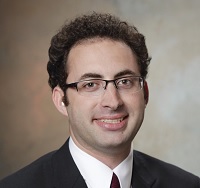
Jordan Sack, MD, MPH
Hepatologist and Transplant Hepatologist

Nneka Ufere, MD, MSCE
Internist, Gastroenterologist and Transplant Hepatologist

Kathleen Viveiros, MD
Hepatologist
Instructor, Harvard Medical School

Wei Zhang, MD, PhD
Transplant Hepatologist

Stephen Zucker, MD
Director of Hepatology, Brigham and Women's Hospital
Associate Professor, Harvard Medical School
Meet our advanced practice providers

Meghan Gallogly, CNP, CCTN
Advanced Practice Provider, Liver Transplantation, Mass General Brigham

Alichia Paton, ACNP-BC
Advanced Practice Provider, Liver Transplantation, Mass General Brigham

Abigail Scherrer, PA-C
Lead Advanced Practice Provider, Liver Transplantation, Mass General Brigham
Contact Information
Mass General Brigham Liver Transplant Program
Massachusetts General Hospital
55 Fruit Street
Boston, MA 02114
Phone: 877-716-8440
Fax: 617-643-5576
Brigham and Women’s Hospital
45 Francis Street
Boston, MA 02115
Phone: 877-716-8440
Learn More
The Mass General Brigham Liver Transplant Program comprises liver experts from both Mass General and Brigham and Women’s Hospital, offering greater access to a larger team of clinicians at multiple health care facilities across New England.